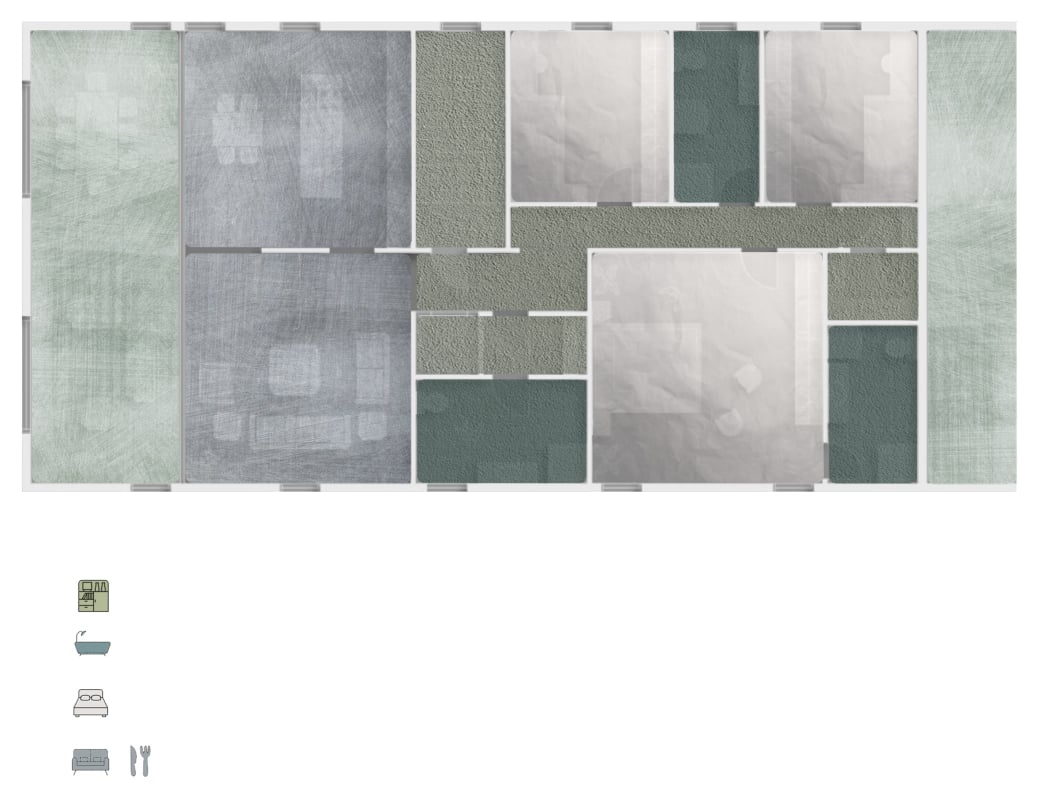
A residential floor plan is organised into three clearly distinct "zones": daytime or public zone (kitchen, living room, dining room), nighttime or private zone (bedrooms, washrooms) and utility zone (staircase, laundry room, storage etc.). If the zones overlap, then the floor plan is not functional.
The staircase should not be placed too far from the entrance or in a hard-to-reach area of the floor plan.
If the floor is designed in levels, steps are usually placed between zones and in general should be avoided between areas such as the kitchen and the dining or living room.
Movement between zones should not be obstructed, for example by large furniture.
Having multiple entrances and exits does not serve the functionality of the space and usually creates problems to the rest of the design.
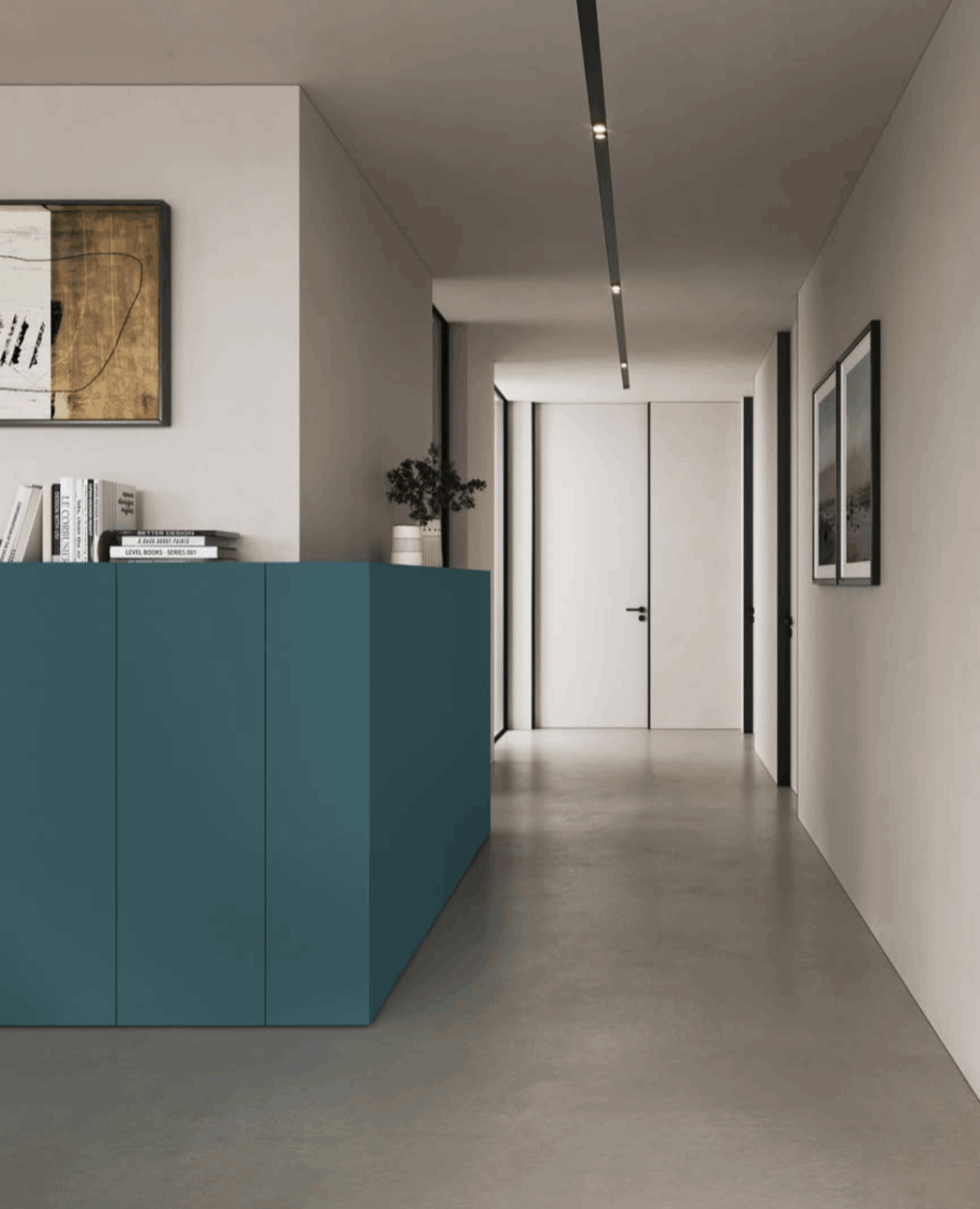
Use multi-functional and built-in elements where possible: cabinets, furniture, wall lights etc.
Eliminate any unnecessary elements on the ceiling, such as bulkheads, air-conditioning units and cornices. If the ceiling is at low height, such elements will make the space look cluttered.
If the ceiling is concrete, install a very shallow suspended ceiling as this will give enough space to run the wiring for a functional lighting layout.
Keep the flooring consistent. Changes of materials, patterns or colors between different areas will emphasize the lack of space.
Creating a colour palette and adding colour to a space has to do with the design concept and is determined by the relationship between the colours (their hue, saturation and brilliance), as well as by their position and scale.
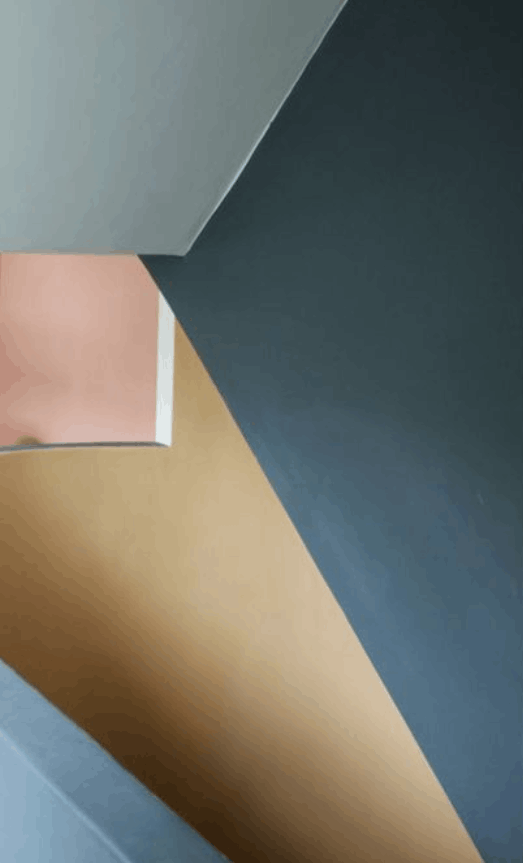
A dark colour on the ceiling creates a sense of a lower space. The same effect is achieved if all wall surfaces are horizontally divided into two colour zones, the darker being the one that starts from the ceiling and reaches down to the line of sight. In this case, attention is drawn to the line where the colour changes.
The use of a single colour on every surface maximizes the space, whereas using a different colour only on a central wall gives the sense of a smaller space.
Putting colour on opposite walls makes the space narrower. On the contrary, painting the ceiling and a central wall with the same colour makes the space appear wider.